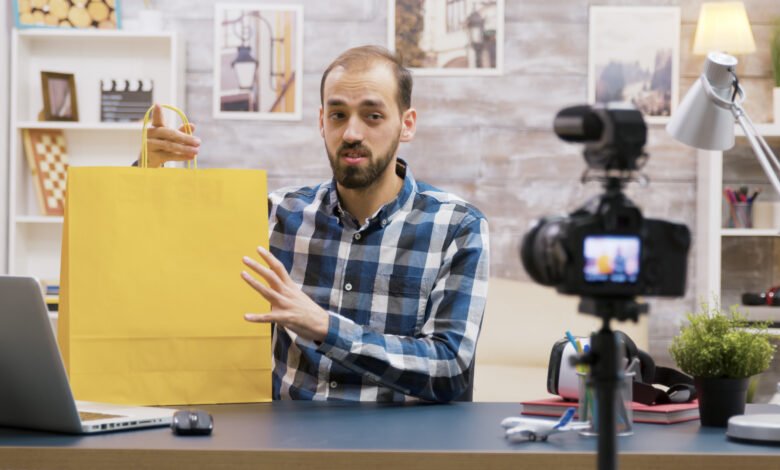
Introduction: More Than Just a Typo
You’ve seen it written as “Video&a,” a clever shorthand that’s more than just a truncated URL or a social media hashtag. It represents one of the most dynamic and engaging content formats available today: the Video Question and Answer. This format has exploded in popularity, moving from corporate webinars and academic lectures to the very heart of social media marketing, personal branding, and community building on platforms like Instagram Live, YouTube Community Tabs, and LinkedIn Video. But what makes it so powerful? This article delves deep into the world of Video Q&A, exploring its undeniable benefits, providing a blueprint for execution, and offering advanced strategies to transform simple interactions into impactful content.
The Undeniable Power of the Video Q&A Format
The fundamental strength of a Video Q&A lies in its inherent authenticity and its powerful shift from a one-way broadcast to a two-way conversation. Traditional video content, while valuable, often places the creator on a pedestal, delivering a monologue to a passive audience. The Video Q&A shatters this dynamic. It is inherently collaborative, built on the direct input of your audience. This does two critical things: it provides you with a guaranteed roadmap for creating content that your audience actually wants to consume, solving their specific problems and answering their burning questions, and it makes your viewers feel seen, heard, and valued. This sense of participation fosters a profound sense of community and loyalty that is incredibly difficult to achieve through other means. Furthermore, the unscripted, slightly unpredictable nature of live or recorded Q&A sessions humanizes the creator. Stumbles, thoughtful pauses, and genuine reactions are not edited out; they are embraced, building trust and relatability that a polished, scripted video can often lack.
Crafting Your Session: A Step-by-Step Blueprint
A successful Video Q&A doesn’t happen by accident; it is the product of careful planning and strategic execution. The first step is sourcing high-quality questions. Rather than simply opening the floor and hoping for the best, proactively solicit questions through your social media channels, email newsletter, or website well in advance. This gives you time to curate the best topics and structure your session logically. Next, choose your platform wisely. Instagram Live or Facebook Live are excellent for casual, high-energy, and interactive sessions with a built-in audience. YouTube Live or a pre-recorded YouTube video is ideal for longer, more in-depth discussions that you want to remain as evergreen searchable content. Before you go live, set an agenda. Briefly outline the topics you’ll cover or the types of questions you’ll answer to set expectations. During the session, have a co-host or moderator to help manage the incoming question feed, read comments aloud, and keep the energy flowing, allowing you to stay focused on delivering valuable answers.
From Live Stream to Evergreen Content: Maximizing Your ROI
The lifespan of a Video Q&A should not end when you click “End Stream.” This raw footage is a content goldmine waiting to be repurposed. A single one-hour live session can be edited down into numerous pieces of content across various platforms. Transcribe the audio to create a detailed blog post or a series of text-based social media posts. Isolate individual questions and answers to create a library of short, topical videos perfect for Instagram Reels, YouTube Shorts, or TikTok, each addressing a single specific problem. These micro-content pieces act as powerful entry points, driving new audiences back to the full session. You can also compile answers on a common theme into a longer, dedicated guide. This strategy ensures that the value of your interactive session continues to work for you long after it concludes, reaching audiences who couldn’t attend live and solidifying your authority on the subject matter through multiple content formats.
Advanced Strategies: Elevating the Basic Q&A
Once you’ve mastered the basics, you can begin to elevate the format to create even more impactful experiences. Consider bringing on a guest expert for a joint Q&A session. This instantly provides a new perspective for your audience, adds credibility, and allows you to tap into your guest’s follower base. Another powerful strategy is the “Hot Seat” or “Deep Dive” format, where you dedicate an entire session to answering questions around a single, complex topic rather than jumping between unrelated subjects. This positions you as a deep expert in that niche. For a more premium offering, you can host a ticketed or exclusive Q&A for members of a paid community or Patreon supporters, adding significant value to your membership tiers. Finally, don’t underestimate the power of presentation tools; sharing your screen to demonstrate a process, analyze a case study, or walk through a slide deck can make your answers far more tangible and actionable for your viewers.
FAQ: Your Video Q&A Questions, Answered
Q: I’m just starting out and have a small audience. What if no one asks any questions?
A: This is a common concern. The solution is to come prepared with your own “seed” questions. Think of the most common questions you receive via DM or email and use those to start the conversation. You can also ask a friend or colleague to have a few questions ready to kick things off. Once you start talking, it often prompts viewers to chime in with their own.
Q: What is the most basic equipment I need to get started?
A: You can start with what you have! A modern smartphone has a more than capable camera and microphone for a beginner. Focus on good lighting (a window during the day is a great free light source) and a quiet environment. As you grow, your first investments should be an external microphone (like a lavalier or USB mic) for clearer audio, followed by a ring light or softbox for consistent lighting.
Q: How long should a Video Q&A session be?
A: There’s no one-size-fits-all answer, but a good guideline is between 20-45 minutes. This is long enough to provide substantial value but short enough to hold people’s attention. On more professional platforms like LinkedIn or YouTube, audiences may expect a longer, more in-depth session (45-60 mins), while on Instagram, a brisk 20-30 minutes is often perfect.
Q: How do I handle negative or inappropriate questions?
A: Have a moderation plan. For live videos, use platform tools to assign moderators who can remove offensive comments. If an inappropriate question is asked, it’s perfectly acceptable to politely but firmly decline to answer. You can say something like, “I’m going to skip over that one to keep the conversation positive and on track for everyone,” and then immediately move on to the next question.
Conclusion: Your Audience is Waiting to Ask
The “Video&a” is far more than a trend; it is a fundamental shift towards participatory and authentic communication. It demystifies the creator, empowers the audience, and builds the kind of trust that fuels sustainable growth. The barriers to entry are incredibly low—all you need is a device, a connection, and a willingness to listen. The potential rewards, however, are immense: a deeply engaged community, a endless well of content ideas, and a solidified reputation as an accessible expert in your field. So stop wondering what your audience wants to see, and simply ask them. Then, hit record.