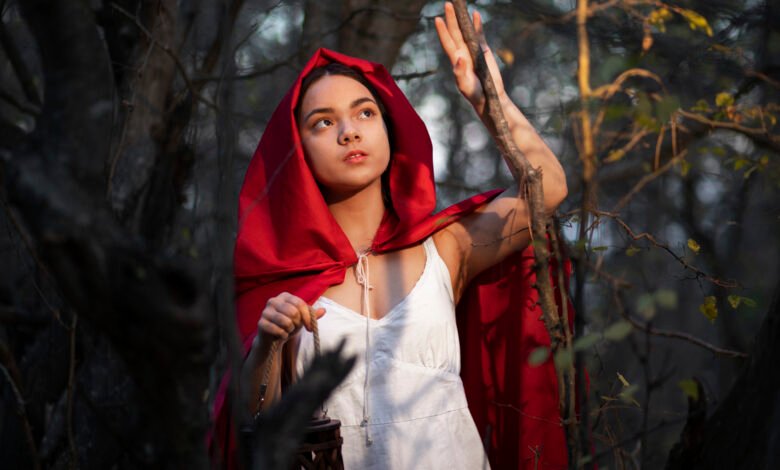
imagesize:2160×3840 melisandre
In the sprawling, grim tapestry of George R.R. Martin’s A Song of Ice and Fire and its television adaptation, Game of Thrones, few characters are as enigmatic, fearsome, and ultimately pivotal as Melisandre of Asshai. Known universally as the Red Woman, she is a priestess of the Lord of Light, R’hllor, whose unwavering faith is matched only by her potent and terrifying command of shadow magic. She arrives on the shores of Westeros as a stranger in a strange land, a vibrant splash of crimson against the grey castles and snowy landscapes, her mission nothing less than to save the world from an ancient, encroaching darkness. This article delves into the complex layers of this fascinating figure, exploring her origins, her power, her profound errors, and her ultimate, crucial role in the fate of the Seven Kingdoms.
The Priestess from a Foreign Land: Origins and Mission
Melisandre’s origins are shrouded in the same mystical mists as the distant eastern continent from which she hails. Hailing from the shadowy city of Asshai, a place rumored to be the source of the darkest and most ancient magics, she was not born with the name Melisandre. In a rare moment of vulnerability, she reveals to Ser Davos Seaworth that she was once a slave girl named Melony, sold into servitude and later reborn into the faith of R’hllor. This past life of powerlessness fundamentally shapes her present; her absolute faith is a fortress she has built around a core of trauma, making her both fiercely determined and dangerously single-minded. Her mission, as she interprets it through her flames, is to find the chosen warrior of her god, Azor Ahai reborn, and to ensure he is equipped to stand against the Great Other—the embodiment of death and cold represented by the White Walkers. She believes this savior to be Stannis Baratheon, and thus she dedicates her immense will and power to his cause, seeing his ascent to the Iron Throne as intrinsically linked to the salvation of all mankind.
The Power of R’hllor: Visions, Glamours, and Shadowbinding
Melisandre’s influence stems not from armies or political cunning, but from her demonstrated command of divine magic. Her primary tool is the art of pyromancy—seeing the future in the flames. However, these visions are often cryptic, symbolic, and dangerously open to misinterpretation, a fallibility that drives much of the narrative’s tragedy. Beyond prophecy, she wields other potent abilities. She is a master of glamour, a magic that allows her to alter appearances. She uses this to maintain her own illusion of timeless beauty and youth, hiding the ancient crone she truly is beneath a magical necklace, and later to manipulate others, as seen when she makes Mance Rayder appear as the Lord of Bones to cheat the flames. Most notoriously, she practices the forbidden art of shadowbinding. Through a dark and sexual ritual, she births a shadow assassin—a terrifying manifestation of Stannis’s life force—that slays his brother Renly, irrevocably altering the course of the War of the Five Kings and demonstrating a willingness to use the darkest of tools to serve what she believes is the ultimate light.
A Flawed Prophetess: The Cost of Misinterpretation
For all her power, Melisandre’s story is arguably one of catastrophic error. Her unwavering belief that Stannis is Azor Ahai proves to be her greatest miscalculation. She guides him down a path of increasing desperation and moral compromise, most horrifically culminating in her insistence that he sacrifice his own daughter, Princess Shireen, to gain divine favor. This act, born of a fatal misreading of her visions and a desperate attempt to clear a path through a blizzard, becomes the catalyst for Stannis’s ultimate downfall, shattering his army’s morale and destroying his family. This event is the ultimate testament to the danger of blind faith unchecked by compassion or reason. It reveals that for all her otherworldly knowledge, Melisandre is tragically fallible. Her failure humbles her and forces her to confront the terrifying possibility that she has spent years serving the wrong man, backing the wrong king, and committing monstrous acts in the name of a misunderstood prophecy.
The True Purpose: Resurrection and the Long Night
After Stannis’s defeat and death, a humbled and exiled Melisandre undergoes a profound transformation. Cast out by Jon Snow for her role in Shireen’s death, she is left to ponder her failures. Yet, when the night is darkest and all seems lost at the Battle of Winterfell against the Army of the Dead, she returns. It is here that her true purpose, perhaps hidden from her all along in the flames, is finally realized. She does not place a king on a throne; instead, she fulfills a more critical, immediate role. She reignites the Dothraki’s arakhs with fire, providing a fleeting but crucial weapon against the wights. Most importantly, it is she who speaks the ancient words that resurrect Ser Beric Dondarrion one final time, an act that creates the crucial chain of events allowing Arya Stark to reach the Night King. In this moment, Melisandre is not the architect of a king’s ambition but a key instrument in the Great War, finally aligning her power directly against the Great Other she had always prophesied.
The Final Sacrifice: Atonement at Dawn
With the dawn after the Long Night, Melisandre’s work is complete. Having played her part in the salvation of the living world, she is left with the weight of her long years and her many sins. She walks beyond the walls of Winterfell, removes her magical choker, and willingly lets her centuries of life catch up to her in an instant. As she crumbles to dust, she meets her end not with fear, but with a serene sense of fulfillment and atonement. Her final act is one of agency and peace, a stark contrast to the violent and manipulative acts that defined much of her life. It is the closing of a circle that began with a slave girl named Melony, offering a poignant end to a character who was both a villain and a hero, a murderer and a savior, forever bound to the enigmatic and demanding god she served.
FAQ About Melisandre
Q: How old was Melisandre really?
A: The books and show strongly imply she was centuries old. She mentions having practiced her art “for years beyond count” and her glamour hides a truly ancient form.
Q: Was she evil?
A: Melisandre is a classic morally grey character. She committed undeniably evil acts (murder, human sacrifice) but her ultimate goal—saving humanity from extinction—was noble. Her methods were monstrous, but her intention was, in her own mind, pure.
Q: Why did she think Stannis was Azor Ahai?
A: She saw a vision in the flames of a great warrior fighting the darkness from a place called Dragonstone. Stannis was the Lord of Dragonstone and a formidable military commander, making him a logical, though ultimately incorrect, fit for the prophecy.
Q: What was the thing around her neck?
A: It was a magical ruby choker that served as the focus for her glamour, maintaining her appearance of youth and beauty. It also seemed to amplify her power and protect her from poison.
Conclusion
Melisandre remains one of the most compelling and complex figures in the world of Ice and Fire. She is a character built on contradictions: a woman of immense power who is ultimately a slave to faith, a bringer of light who employs the deepest shadows, and a prophetess who is blind to the truth directly in front of her. Her journey is a cautionary tale about the perils of religious certainty and the high cost of misinterpretation, yet it is also a story of redemption. In the end, despite her tragic errors, she found her true role and fulfilled her destiny not by crowning a king, but by helping to save the world, finally understanding that the real war was not for a throne, but for the dawn.