Introduction
Life is full of unexpected events. A medical emergency, job loss, car repair, or home maintenance issue can happen at any time. When these situations occur, many people struggle financially because they do not have enough savings to handle the sudden expense.
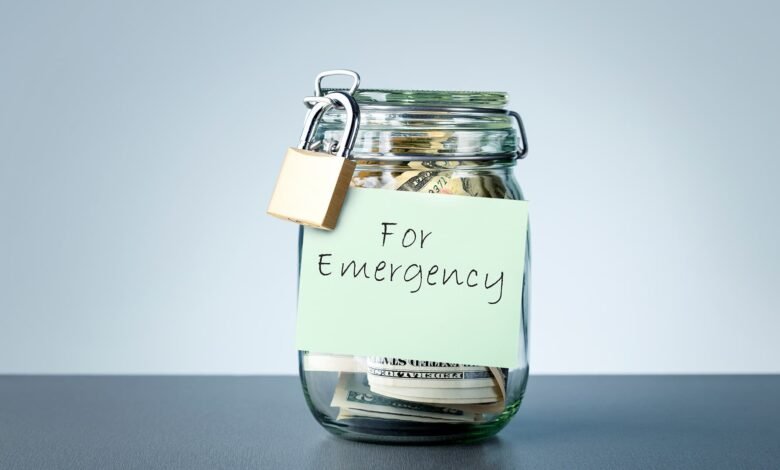
This is where an emergency fund becomes extremely important. An emergency fund is a dedicated savings account that is used only for unexpected financial situations. It acts as a financial safety net and helps protect you from going into debt when emergencies arise.
Without an emergency fund, people often rely on credit cards, loans, or borrowing money from friends and family. This can lead to long-term financial stress and debt problems. On the other hand, having an emergency fund provides peace of mind because you know you are prepared for difficult situations.
Building an emergency fund may seem challenging at first, especially if you are living on a tight budget. However, with the right strategy and consistent saving habits, anyone can gradually build a strong financial safety net.
This guide explains how to build an emergency fund step by step so that you can achieve greater financial security.
What Is an Emergency Fund?
An emergency fund is money set aside specifically for unexpected expenses. It should only be used during genuine financial emergencies and not for regular spending or luxury purchases.
Common situations where an emergency fund may be used include medical emergencies, sudden job loss, urgent home repairs, or unexpected car repairs. These expenses often arise without warning, and they can be financially overwhelming if you are not prepared.
The purpose of an emergency fund is to ensure that you can manage these situations without relying on debt. When you have savings available, you can handle emergencies confidently and avoid financial instability.
Why an Emergency Fund Is Important
An emergency fund plays a critical role in maintaining financial stability. One of the biggest benefits is that it protects you from debt. When unexpected expenses occur, you can pay for them using your savings instead of borrowing money.
Another important advantage is reduced financial stress. Knowing that you have money set aside for emergencies provides peace of mind and allows you to focus on other aspects of life.
An emergency fund also helps maintain your long-term financial goals. Without savings, unexpected expenses can disrupt your plans for investing, saving for a house, or planning retirement. Emergency savings ensure that temporary problems do not destroy long-term financial progress.
Additionally, having an emergency fund increases your financial independence. You do not have to rely on others for help during difficult times.
Step 1: Set a Realistic Savings Goal
The first step in building an emergency fund is determining how much money you need to save.
Financial experts typically recommend saving enough money to cover three to six months of living expenses. This amount provides a strong safety cushion in case of job loss or major emergencies.
For example, if your monthly expenses are ₹30,000, your emergency fund should ideally be between ₹90,000 and ₹180,000.
However, building such a fund may take time. If the goal seems too large, start with a smaller target such as ₹10,000 or one month of expenses. Once you reach that goal, continue increasing your savings gradually.
Setting realistic goals helps you stay motivated and consistent with your saving habits.
Step 2: Analyze Your Monthly Expenses
Before building an emergency fund, it is important to understand your monthly expenses. This will help you calculate how much money you need to survive during an emergency.
Start by listing all essential expenses such as rent or mortgage payments, groceries, transportation costs, utility bills, insurance, and loan payments. These expenses represent the minimum amount required to maintain your basic lifestyle.
Knowing your essential expenses helps you determine the exact size of your emergency fund. It also allows you to identify areas where you may reduce unnecessary spending to increase your savings.
Tracking expenses for one or two months can provide valuable insight into your financial habits.
Step 3: Start Saving Small Amounts
Many people believe they cannot build an emergency fund because they do not have enough extra money. However, even small savings can grow over time.
Start by setting aside a small amount every month. For example, saving ₹500 or ₹1,000 per month may not seem significant, but it can gradually build a solid savings fund.
Consistency is more important than the amount you save initially. Regular saving habits create long-term financial discipline and make it easier to increase your savings in the future.
Whenever your income increases, try to increase your monthly contribution to your emergency fund.
Step 4: Open a Separate Savings Account
One effective strategy for building an emergency fund is keeping the money in a separate account.
If your emergency savings remain in the same account as your daily spending money, it becomes easier to accidentally use those funds for non-emergency purchases.
Opening a separate savings account ensures that your emergency fund remains untouched unless a real emergency occurs.
Choose an account that provides easy access but also offers some interest so that your savings can grow over time.
Separating your emergency savings from your regular spending account also helps you stay disciplined.
Step 5: Automate Your Savings
Automation is one of the most powerful tools for building savings. Instead of manually transferring money each month, you can set up automatic transfers from your primary bank account to your emergency fund account.
For example, you may schedule a transfer immediately after receiving your salary. This ensures that your savings are prioritized before other expenses.
Automation removes the temptation to skip saving and makes the process effortless.
Over time, these automatic contributions can build a significant emergency fund without requiring constant effort.
Step 6: Reduce Unnecessary Expenses
Reducing unnecessary expenses can help accelerate the growth of your emergency fund.
Many people spend money on things they rarely use or truly need. Examples include unused subscriptions, frequent food delivery, impulse shopping, or expensive entertainment.
By identifying and reducing these expenses, you can redirect that money into your emergency savings.
Even small lifestyle adjustments can create meaningful financial benefits. For example, cooking more meals at home or limiting impulse purchases can save thousands of rupees each year.
These savings can significantly strengthen your emergency fund.
Step 7: Use Extra Income for Savings
If you receive unexpected income such as bonuses, tax refunds, freelance payments, or gifts, consider allocating a portion of that money to your emergency fund.
Extra income provides an excellent opportunity to boost your savings without affecting your regular budget.
Side jobs, freelancing, or small business activities can also help accelerate the growth of your emergency fund.
Using additional income wisely can help you reach your savings goals much faster.
When Should You Use Your Emergency Fund?
An emergency fund should only be used for genuine emergencies. These are situations that are unexpected, necessary, and urgent.
Examples include medical emergencies, sudden unemployment, urgent home repairs, or car breakdowns that affect your ability to work.
It is important to avoid using emergency funds for non-essential expenses such as vacations, shopping, or entertainment.
Once you use part of your emergency fund, make sure to replenish it as soon as possible so that you remain financially protected.
Conclusion
Building an emergency fund is one of the most important steps toward achieving financial security. It protects you from unexpected financial challenges and helps you avoid debt during difficult times.
Although creating an emergency fund may take time, the key is consistency. Even small monthly contributions can gradually build a strong financial safety net.
By setting clear savings goals, reducing unnecessary expenses, automating your savings, and using extra income wisely, you can successfully build an emergency fund that provides long-term peace of mind.
Financial emergencies are unpredictable, but your financial preparedness does not have to be. Starting today can help you build a more secure and confident financial future.