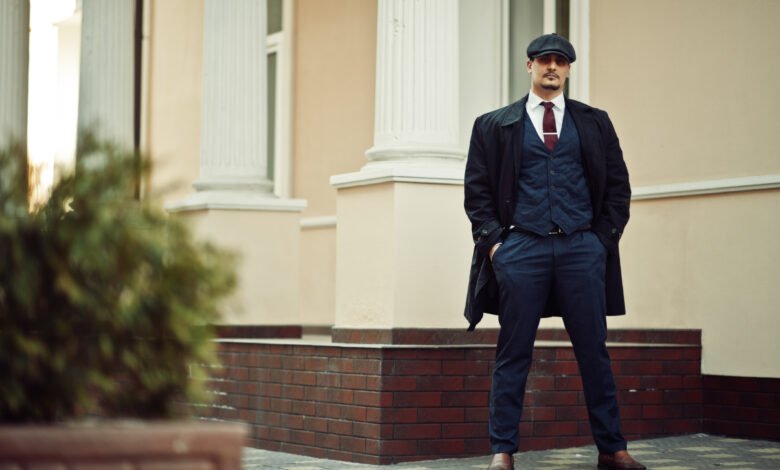
In an era of fleeting fashion trends, the men’s three-piece suit stands as an unshakeable pillar of sophistication. More than just formalwear, it’s a sartorial statement that blends tradition with contemporary flair. Comprising a tailored jacket, matching trousers, and a waistcoat (vest), this ensemble offers unparalleled versatility—elevating boardroom presentations, weddings, or evening galas with effortless authority. Beyond aesthetics, the three-piece suit is an investment in confidence, framing the physique with structured elegance while allowing nuanced personal expression through fabrics, cuts, and accessories. As modern menswear embraces heritage styles, this guide explores why the three-piece suit remains indispensable in the discerning gentleman’s wardrobe.
1. Anatomy of a Three-Piece Suit: Beyond the Basics
A three-piece suit transcends the standard two-piece by incorporating a waistcoat, which serves as both functional armor and a style multiplier. The jacket, typically single-breasted with notch or peak lapels, provides structure to the shoulders and chest, while the trousers maintain a clean line, often tailored for a slight break at the shoe. The waistcoat—the centerpiece—anchors the look, creating a vertical illusion that elongates the torso and allows for layering without bulk. Historically designed with a back of satin or silk for breathability, modern iterations prioritize comfort through lightweight wool or linen blends. Unlike separates, the trio must harmonize in fabric, color, and pattern; a mismatched vest disrupts the suit’s fluidity. Precision in fit is non-negotiable: the vest should hug the torso without gaping, ending just above the trouser waistband to preserve proportion.
2. The Strategic Advantages: Why a Three-Piece Outshines the Rest
Opting for a three-piece suit isn’t merely aesthetic—it’s a tactical wardrobe choice. The waistcoat acts as a thermal regulator, allowing wearers to remove their jacket in warmer settings while retaining formality, making it ideal for all-season wear. For physique-conscious men, the vest smooths silhouettes, concealing shirt bunching or midriff concerns, and accentuates a tapered waist. Professionally, it signals meticulousness; in creative industries, a textured tweed or bold-checked three-piece communicates authority without rigidity. Socially, it offers transitional flexibility: pair the jacket and vest with jeans for “broken suit” cool, or wear the vest alone with chinos for smart-casual events. Psychologically, the ensemble’s structure can bolster posture and presence, transforming wearers into commanding focal points in any room.
3. Styling Masterclass: Modern Rules for Timeless Appeal
Mastering the three-piece suit demands balancing tradition with individuality. Start with color: charcoal and navy are universally flattering foundations, while earth tones (olive, burgundy) inject personality. Patterns like pinstripes or herringbone add depth but avoid clashing with the vest. Shirt selection leans toward crisp whites or light blues for contrast; spread collars complement wider lapels. Ties or bow ties should harmonize with the vest’s hue—opt for silk knits for texture. Footwear anchors the look: Oxfords convey formality, while monk straps or loafers bridge classic and contemporary. Accessories are pivotal: a pocket square (white linen for simplicity, printed silk for flair) should never match the tie exactly. Finally, modernize proportions: slim-fit vests avoid boxiness, and trousers with minimal break elongate legs. For black-tie events, swap the standard vest for a shawl-collared waistcoat in satin.
4. Occasion Code: When and Where to Deploy the Three-Piece
The three-piece suit’s adaptability makes it appropriate for myriad events, yet context dictates styling nuances. Weddings demand luxury fabrics like worsted wool or velvet; pair with a floral tie and boutonnière. Corporate settings favor subdued shades (gray, navy) with tonal vests and leather briefcases. Creative workplaces permit bolder moves—think a tweed suit with a patterned vest or knit tie. For evening galas, embrace midnight blue or black with a silk waistcoat and patent shoes. Surprisingly, it also shines at semi-formal gatherings: ditch the tie, unbutton the vest, and roll sleeves for garden parties. Avoid overly casual venues (e.g., beaches or dive bars), where the ensemble risks appearing costumey. Seasonal considerations matter: linen or cotton suits for summer, flannel or tweed for winter.
5. Preservation Protocol: Ensuring Longevity of Your Investment
A three-piece suit demands meticulous care to retain its shape and luster. Rotate wears to allow fabrics (especially wool) to recover; aim for 48 hours between uses. Always unbutton the jacket when seated to prevent stress on buttons and fabric. Store on wide, padded hangers—hang trousers by the cuffs to maintain creases, and button the vest to avoid distortion. Spot-clean spills immediately with a damp cloth; professional dry cleaning should be limited to 2–3 times yearly to prevent fiber degradation. For wrinkles, use a handheld steamer, never an iron directly on the fabric. Long-term storage requires breathable garment bags with cedar blocks to deter moths. Finally, bi-annual tailoring check-ups address fit adjustments, as weight fluctuations impact the vest’s snugness most acutely.
Conclusion: The Unrivaled Legacy of the Three-Piece Suit
In a landscape of disposable fashion, the three-piece suit endures as a testament to craftsmanship and self-assured style. It bridges generations—invoking the gravitas of Churchill while adapting to the sleek minimalism of modern icons like Idris Elba. More than clothing, it’s armor for the ambitious, a canvas for the creative, and a hallmark of respect for tradition. By mastering its components, styling versatility, and care rituals, wearers invest in a legacy that commands attention without uttering a word. As trends cycle, this trio remains steadfast: a symbol that true elegance is timeless, not transient.
FAQ: Navigating Three-Piece Suit Queries
Q1: Can I wear a three-piece suit without a tie?
Absolutely. For smart-casual events, omit the tie and leave the vest’s bottom button undone. Pair with a crisp open-collar shirt or a turtleneck for contemporary edge. Ensure the suit fabric (e.g., linen or cotton) and color (navy, olive) align with the relaxed vibe.
Q2: Is a three-piece suit too formal for daytime offices?
Not inherently. Opt for lighter fabrics (tropical wool, cotton) and muted shades (gray, tan). Skip the pocket square, and choose loafers over Oxfords. In creative fields, a patterned vest can subtly defy convention while maintaining professionalism.
Q3: How should a three-piece suit fit compared to a two-piece?
The jacket and trousers follow standard two-piece rules: jacket sleeves ending at the wrist bone, trousers breaking once at the shoe. The vest is critical—it must lie flat against the chest/stomach with no gaping. Length should cover the waistband but not overlap the trouser fly.
Q4: Can I mix a waistcoat with a different suit?
Risky but possible. For a “broken suit” look, pair a neutral vest (charcoal, beige) with contrasting trousers and jacket in complementary tones (e.g., navy jacket, gray vest, taupe trousers). Avoid clashing patterns or colors.
Q5: Are three-piece suits suitable for all body types?
Yes, with tailoring. Slim figures benefit from double-breasted vests to add volume; broader frames should choose single-breasted vests with V-shaped draping to elongate. Tailored waist suppression enhances proportionality universally.
Q6: What’s the rule for buttoning a three-piece suit?
Jacket: Always buttoned when standing. Vest: Leave the bottom button undone (a tradition dating to King Edward VII’s girth). Never button the jacket over a fully fastened vest—it creates unsightly tension.